
In the rapidly evolving realm of humanoid robot development, setting clear and impactful success indicators is essential. Drawing inspiration from Jeff Bier, founder of the Edge AI and Vision Alliance, I want to emphasize five critical factors that define the advantages of edge AI: Bandwidth, Latency, Economics, Reliability, and Privacy. I believe these same five principles can guide humanoid robots to reach a future where billions of units are deployed globally. In this post, I would like discussing the key components of this ambitious vision and start from reliability first.
When it comes to consumer-grade home products—like appliances and computers—achieving safety and environmental certifications is a non-negotiable step before mass production. These certifications ensure products are safe for human use and adhere to sustainability standards. Similarly, for humanoid robots to be welcomed into homes, they must meet strict safety and eco-friendly requirements. While industrial humanoid robots can operate in controlled, well-defined environments, the home is an unpredictable, safety-critical space where reliability cannot be compromised.
A central debate in robotics is whether humanoid robots are worth the complexity. Critics often point out their energy inefficiency and manufacturing challenges compared to other robotic designs. However, there is a widespread belief that, once perfected, humanoid robots will seamlessly navigate spaces designed for human beings, from maneuvering through buildings to handling objects created for human use. The humanoid form also has the potential to be the most versatile and general-purpose representation of robotics.
Reliability, however, goes beyond just technical performance; it encompasses behavioral and functional predictability. From a design thinking standpoint, we should ask ourselves: What are we really trying to emulate? The ideal answer is the professional “butler"—someone with exceptional foresight and service expertise. Just as a seasoned director identifies and mitigates development risks, a humanoid robot must be equipped to anticipate human needs. Achieving this requires a sophisticated combination of experiential learning and skill development.

Turning this vision into reality demands a specific and strategic approach. A promising starting point is like Microsoft’s Human Presence Detection (HPD) system for AI-enabled PCs. This system uses cameras and IR sensors to detect user presence and posture, offering a foundational capability for humanoid robots. For robots to safely interact in homes, recognizing the difference between a toddler and an adult is crucial. Without dependable detection and predictive technology, these robots cannot be trusted to operate in real-world settings.
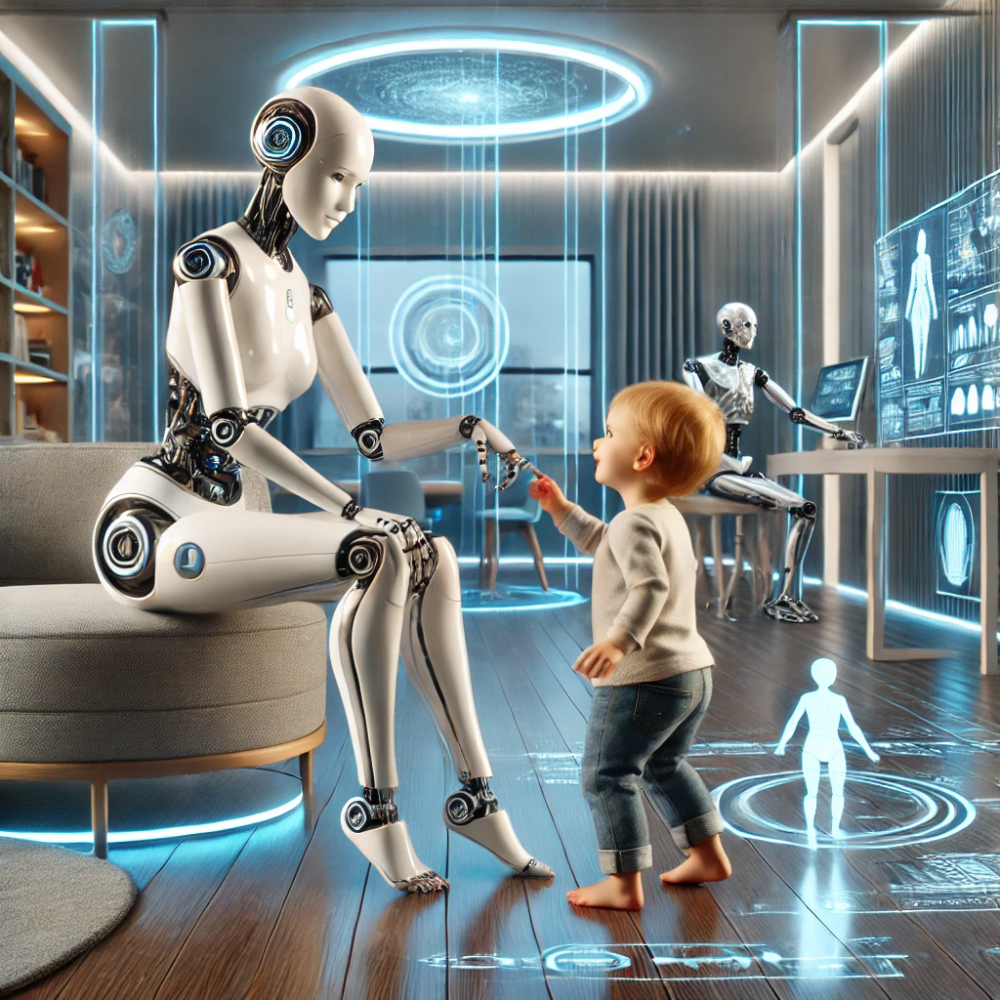
In conclusion, I suggest a three-tiered design thinking model for humanoid robot development. This framework combines advanced technology, human-centered design, and anticipatory intelligence, ensuring that these robots can one day fulfill their enormous potential. By focusing on these key factors, I aim to inspire meaningful dialogue on making humanoid robots a safe, practical, and beneficial part of our everyday lives.
實現人形機器人「十億台級」市場潛力:從人體存在偵測(HPD)開始
在人形機器人發展的快速演變領域中,設定清晰且具有影響力的成功指標至關重要。受到邊緣 AI 與視覺聯盟創始人 Jeff Bier 的啟發,我想強調五個定義邊緣 AI 優勢的關鍵因素:帶寬、延遲、經濟性、可靠性與隱私。我認為,這五個原則同樣可以指引人形機器人邁向一個全球部署數十億台的未來。在這篇文章中,我將討論這個宏大願景的關鍵要素,並從 可靠性 開始。
將這個願景變為現實需要具體且具有策略性的方式。一個有前景的起點類似於微軟的「人體存在偵測」(HPD)系統,這是為 AI 支援的 PC 設計的系統。該系統利用攝像頭和紅外線感應器來偵測使用者的存在與姿勢,為人形機器人提供了基礎的能力。要讓機器人能夠在家庭中安全互動,辨識幼童和成人之間的差異是至關重要的。如果沒有可靠的偵測與預測技術,這些機器人無法在現實環境中被信任運行。
對於消費級家用產品(如家電和電腦)來說,實現 安全與環境認證 是進行量產之前的必要步驟。這些認證確保產品對人類使用者是安全的,並符合可持續性標準。同樣地,為了讓人形機器人被接受進入家庭,它們必須達到嚴格的安全與環保要求。雖然工業型人形機器人可以在受控且明確定義的環境中運行,但家庭是不可預測的、充滿安全風險的空間,在這裡,可靠性無法妥協。
在機器人領域,一個核心的辯論是人形機器人是否值得這樣的複雜性。批評者經常指出,相較於其他機器人設計,人形機器人的能源效率較低,且製造挑戰繁重。然而,普遍的看法是,一旦完善,人形機器人將能夠順利地在為人類設計的空間中運作,從在建築物中移動到處理為人類使用而創造的物品。人形機器人也具有成為最具多樣性和通用性的機器人形式的潛力。
然而,可靠性不僅僅是技術表現的問題,它還包括行為和功能的可預測性。從設計思維的角度來看,我們應該問自己:我們究竟在模擬什麼?理想的答案是專業的 「管家」——一位擁有卓越先見之明和服務專業知識的人。就像一位資深的導演能夠識別並減輕開發風險,一個人形機器人也必須具備預見人類需求的能力。要達到這一點,需要結合經驗學習和技能發展的精妙組合。
總結來說,我建議為人形機器人開發提出一個三層次的設計思維模型。這個框架將先進技術、人本設計和預見性智能相結合,確保這些機器人有一天能夠實現其巨大的潛力。透過專注於這些關鍵要素,我旨在激發有意義的對話,使人形機器人成為我們日常生活中安全、實用且具有益處的一部分。




 PaliPali
發表留言